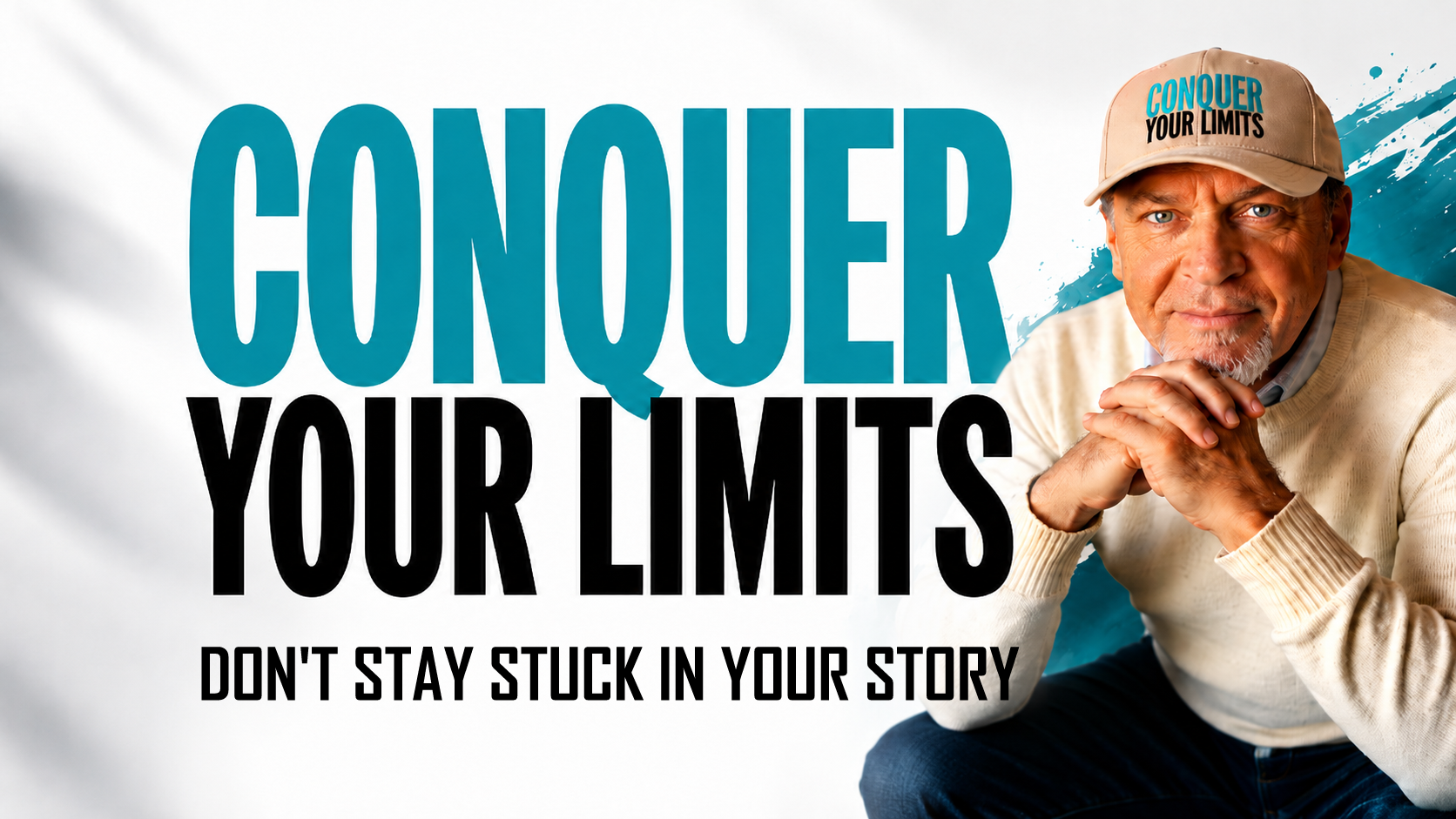
The Identity Reset
by Daryl Daughtry, Publisher
On paper, things look pretty good. You have a decent life, maybe even a great one by most measures. You’re doing the work, showing up, trying. But from the inside, something has been off for a while. A quiet sense of wrongness you can’t quite name. A sense that you’re living slightly beside yourself, like you’re watching your own life through foggy glasses.
You’ve read the books. Learned from the courses. Listened to the podcasts and filled journals with insights that felt genuinely life-changing in the moment. The information isn’t the problem. You know what to do. You have known for years. And yet turning what you know into actual, lasting change is where it all falls apart, every single time.
The pattern is painfully familiar. You hit an invisible ceiling. You see the same self-sabotage show up in different costumes. You make a bold decision, feel the momentum, ride it for two or three weeks, and then quietly drift back to what feels familiar. The breakthrough fades. The discipline softens. The old version of you reasserts itself with a kind of calm inevitability.
And the cruelest part? Stress makes it worse. The moment real pressure arrives, everything you built crumbles. You revert to old habits with almost no resistance, even when you genuinely swore this time was different. Even when you meant it.
At some point, a quiet knowing settles in. No new strategy is going to fix this. No better morning routine, no productivity system, no accountability partner, no amount of discipline is going to get you out of this particular loop. Something deeper has to change. You can feel it, even if you can’t say exactly what it is.
Here’s the truth that most personal development simply misses. This isn’t a discipline problem. It isn’t a motivation problem, a focus problem, or a willpower problem. The actual issue sits one layer beneath all of those things, at the level of identity. At the level of who you believe yourself to be.
Identity isn’t a concept that lives in your head. It’s the invisible architecture of your entire life. The way you see yourself quietly determines your habits, your decisions, your relationships, how you handle money, how much success you allow yourself to keep, how quickly you shrink when someone challenges you, and how long you stay small when life gets hard. Your identity isn’t just a belief. It’s a filter through which every experience passes.
This is why people stay stuck despite years of sincere effort. They’re working hard to change their behavior while their underlying sense of self remains completely untouched. It’s like trying to run different software on a computer without ever changing the operating system. You can download all the apps you want, but the machine keeps running the same fundamental programs underneath.
Think about a time you had a genuine breakthrough. Something shifted. You felt it. Maybe you got clear on a goal, or had a powerful conversation, or read something that cracked you open. For a few weeks, everything was different. You were different. And then, slowly and almost without noticing, you were back. Not because you failed. Not because you were weak. But because the old identity eventually won. It always does, until you address it directly.
Your identity was not chosen consciously. It was assembled over years, mostly in childhood, from a combination of experiences, relationships, and the meanings you made from both. A teacher who dismissed you. A parent who was hard to please. A moment of humiliation that lodged itself somewhere deep. A lesson, learned early and learned thoroughly, that you were too much or not enough, that love had to be earned, that being seen was dangerous, that success was for other kinds of people.
These conclusions didn’t stay as thoughts. They became the water you swim in. They shaped the emotional patterns you now run on autopilot, patterns that feel completely rational from the inside because they’re all you have ever known. They explain why you self-sabotage right before a breakthrough. Why you pick the same kind of relationships. Why you negotiate against yourself before anyone else even has a chance to. Why you feel a strange guilt around success, or a nameless anxiety when things are going well.
The emotional layer is where most people stop looking. We’re comfortable talking about behavior change, about habits and systems and strategy. We’re less comfortable sitting with the emotional structure underneath, the beliefs that live in the body, not just the mind. But that’s exactly where the reset has to happen.
Changing your identity isn’t about affirmations or visualization, though those things have their place. It’s about a more honest and often more uncomfortable process of understanding which version of yourself has been running the show, where that version came from, and what it has cost you. It’s about recognizing the emotional patterns you default to under pressure, not judging them, but tracing them back to their origins, and slowly, deliberately, choosing differently.
An identity reset doesn’t happen through information. It happens through experience. Through repeated moments of acting in alignment with the person you’re becoming, before you fully feel like that person yet. Through catching yourself mid-pattern and choosing a different response, not because it’s easy, but because you’ve decided that who you want to be matters more than what’s familiar.
It also requires compassion. The version of you that developed these patterns was doing something very intelligent. It was protecting you. The walls that now feel like ceilings were built for reasons that once made sense. You don’t dismantle them through force or frustration. You dismantle them through understanding, through slowly proving to yourself, with evidence, that you’re safe to be different now.
An identity reset isn’t a dramatic event. It’s a slow reorientation. A thousand small moments of choosing the new story over the old one. Of noticing the pull of the familiar and walking toward the uncomfortable instead. Of building a relationship with yourself that’s grounded in who you actually want to be, rather than who you learned to be.
The results you’ve been chasing aren’t the destination. They’re the natural outcome of becoming someone different on the inside. When your identity shifts, your behavior shifts without the white-knuckled effort. Decisions get easier. Patterns lose their grip. The ceiling lifts, not because you pushed harder against it, but because you stopped being the person who needed it there.
You already sense that something deeper needs to change. That instinct isn’t anxiety. It’s clarity. And it’s the most important thing you’ve said to yourself in a long time.
The identity reset starts there.
TOP QUESTIONS ANSWERED:
1. Why do I keep reverting to old habits even when I’m genuinely trying to change?
Because behavior change without identity change doesn’t stick. The old version of you quietly reasserts itself until you address what’s happening one layer deeper, at the level of who you believe yourself to be.
2. Why does stress undo all the progress I’ve made?
Because under pressure, you revert to what feels familiar. And what feels familiar is your old identity, which hasn’t changed, no matter how many new habits or systems you’ve built on top of it.
3. If information and discipline aren’t the problem, what is?
Identity. Your sense of self is the invisible operating system running underneath all your behavior. You can download all the apps you want, but the machine keeps running the same fundamental programs until you change the operating system.
4. Where did my self-limiting identity come from?
It was assembled mostly in childhood, from experiences, relationships, and the meanings you made from both. A dismissive teacher, a hard-to-please parent, an early humiliation. Those conclusions didn’t stay as thoughts; they became the water you swim in.
5. Why do I self-sabotage right before a breakthrough?
Because the old identity eventually wins every time it goes unchallenged. Success, visibility, or change can feel unconsciously dangerous when your identity was built around staying small or earning love through struggle.
6. How does an identity reset actually happen?
Not through affirmations or information, but through repeated experience, catching yourself mid-pattern, choosing differently before it feels natural, and slowly building evidence that you’re safe to be a different person now.
7. Do I need to fight or force my way out of old patterns?
No. The patterns that now feel like ceilings were once protection. You dismantle them through understanding and compassion, not force, but by proving to yourself, gradually, that you no longer need them.
8. How will I know the reset is working?
When decisions get easier, patterns lose their grip, and the results you’ve been chasing start showing up naturally, not because you pushed harder, but because you stopped being the person who needed the ceiling to be there.